
Hit enter to search or ESC to close
Share with
How Long Does a Shed Take to Build?
7 January 2026
If you’re thinking about building a shed, it won’t be long before the timing question pops up. How long does it actually take? Is it a quick job, or something that drags on for months? It’s a fair thing to wonder, especially if you’re trying to plan around budgets, deliveries, or simply want the space ready by a certain date.
The reality is that shed builds don’t all follow the same timeline. Some are surprisingly quick once things get moving, while others take longer than expected because of approvals, site conditions, or design choices. That's why getting an understanding what’s involved upfront makes it much easier to plan properly, and avoid frustration along the way.
Before You Begin
Before any actual construction starts, it helps to zoom out and look at the shed project as a whole. Building a shed isn’t as simple as turning up on site and putting the components together. The entire process includes planning, approvals, site preparation, manufacturing, delivery, and installation.
When people ask how long does it take, they’re often thinking about the physical build. In reality, the construction time is usually the shortest part of the timeline. The planning and approval stages are where most delays can occur, especially if council permits and engineering approvals are involved.
Planning and Shed Design
Every shed build starts with a plan. This is where you decide on the right shed for your property, your storage needs, and your budget. Shed design choices, such as size, roof height, windows, roller doors, and custom design features, all influence how long the project will take.
A simple shed kit chosen from standard options can move through this stage fairly quickly. A more complex or custom design will take longer, as drawings may need to be adjusted, engineered, and checked against building codes and local regulations.
This early stage is also the right time to think about your site, surrounding area, and how the shed will be used. Getting these decisions right early helps avoid changes later, which can add weeks to the timeline and cost more money than expected.
Council Approval and Building Permits
Depending on your local council, planning approval and building permits can take anywhere from a few weeks to several months. This is especially true in areas with stricter planning rules, such as Western Australia, where local regulations can vary quite dramatically between councils.
Council permits, building permits, and engineering documents all need to be approved before the shed can be built, but this part of the process is heavily dependent on factors outside your control. For instance, council workloads, requests for additional information, and public holidays can all cause delays.
Setting realistic expectations here is important, as approval time frames can vary based on location, shed complexity, and council requirements. It's also worth noting that some sheds may not require full planning approval, while others do, particularly if they exceed certain sizes, heights, or are located close to boundaries.
Design and Compliance

Most new sheds need to be designed to ensure they comply with council regulations and building codes, and are suitable for local conditions, including wind ratings and soil type.
Standard shed kits often have pre-approved engineering for common scenarios, which helps speed things up. Custom sheds or unusual sites may require site-specific engineering, which takes longer but ensures the shed is safe and compliant.
While this stage can feel like a delay, it’s an important part of the process, as proper engineering reduces the risk of problems during construction and helps ensure your shed is built to last.
Manufacturing and Lead Time
Once your shed design is finalised and approved, manufacturing begins. This is where lead time comes into play. Shed components are usually manufactured off-site, and the time required depends on demand, factory schedules, and whether the shed is a standard kit or a custom build.
A typical shed kit may be manufactured and ready for delivery within a few weeks. Custom designs, larger sheds, or sheds with specialised components can take longer. Manufacturing delays can also occur during busy periods or if materials are in short supply.
Site Preparation and Concrete Slab
Before shed installation can begin, the site needs to be prepared. Site preparation includes clearing the area, levelling the ground if required, and getting ready for the concrete slab.
The concrete slab itself plays a big role in the schedule, as, once poured, concrete needs time to cure before construction can start. In most cases, this means waiting at least a week, sometimes longer depending on weather conditions and slab design.
Actual Construction and Shed Installation
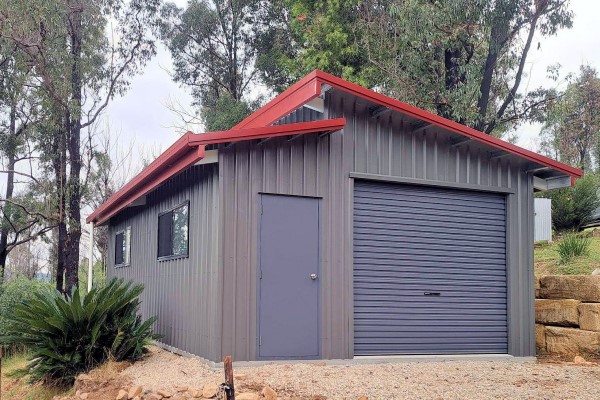
Once the slab is ready and the shed kit has arrived, the actual construction phase begins. This is the part most people picture when they think about building a shed, and it’s often surprisingly quick.
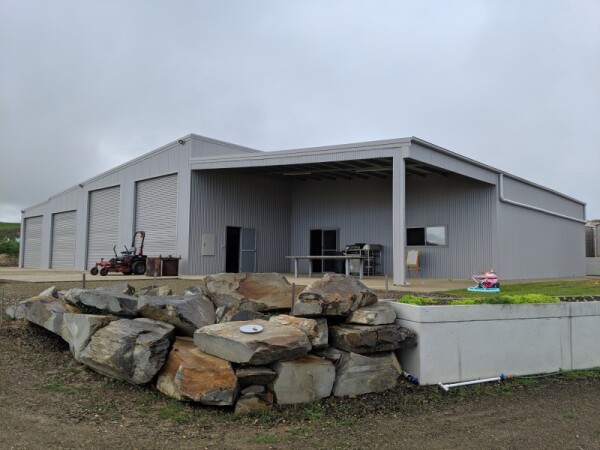
For a small to medium shed, shed installation can take anywhere from a few days to a week. Larger sheds, farm sheds, or sheds with multiple roller doors, windows, and internal features may take longer. The complexity of the shed design and the experience of the builder or installation team both affect construction time.
What Can Cause Delays?
Delays are a normal part of many shed projects, so don't be surprised if these pop up throughout the process. Council approval delays are among the most common, particularly if documents need to be revised or additional information is requested.
Changes to shed design after approval can also add time, as updated plans may need to go back through engineering and council processes. Weather conditions, especially prolonged rain, can delay site preparation, concrete work, and installation, too.
Supply chain issues, manufacturing backlogs, and contractor availability can also affect timelines. While these factors are often outside your control, planning early and staying in contact with your builder or supplier can help minimise disruptions.
How Long Does it Take in General?
While every shed project is different, a standard shed project often follows a similar pattern. From the first contact and planning stage through to approvals, manufacturing, and construction, the entire process commonly takes anywhere from six weeks to several months.
A simple shed kit on a straightforward site may be completed relatively quickly once approvals are in place. A larger, custom shed on a farm or complex site may take longer, especially if additional engineering or planning approval is required.
Choosing the right shed, working with an experienced team, and starting the planning process early all make a big difference. Asking questions, staying informed, and allowing some flexibility in your schedule helps ensure the experience stays positive.
Start Planning Your Shed Build Today
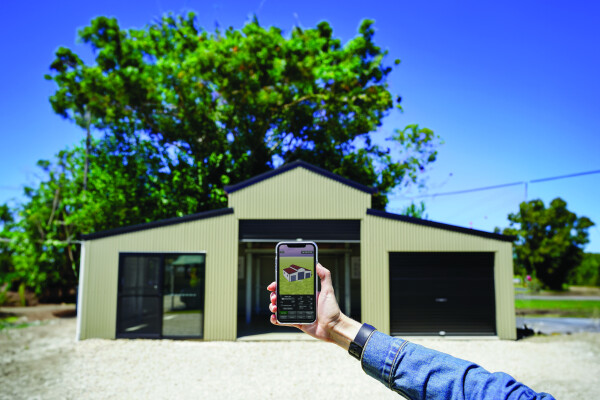
From understanding council approval and permits through to site preparation, concrete, and installation, Fair Dinkum Builds helps take the guesswork out of the shed-building process. You can use the free Shed Designer App to explore different designs, adjust sizes, wall heights, doors, windows, and layouts, and see how everything fits on your property before committing. Once you’ve landed on a design that works for you, simply get in touch for a free quote.